
I’ve always thought inflatable tents were a bit like magic. You pull one out of its bag, connect a pump, and within minutes—there it stands, a full-sized shelter that feels both futuristic and simple. Unlike traditional tents with their endless poles and tangled ropes, an inflatable tent relies on air. Air pressure fills up the columns, creating a sturdy frame that stands firm even in rough weather.
They’re light, compact, and surprisingly stable once inflated. I remember using one on a weekend trip by the lake—it took me only about five minutes to set up, which left more time for the good stuff: coffee and quiet. These tents aren’t just for campers, though. You’ll see them in rescue operations, medical field camps, or temporary event venues. They’re designed for fast deployment, and that alone makes them invaluable in emergencies.
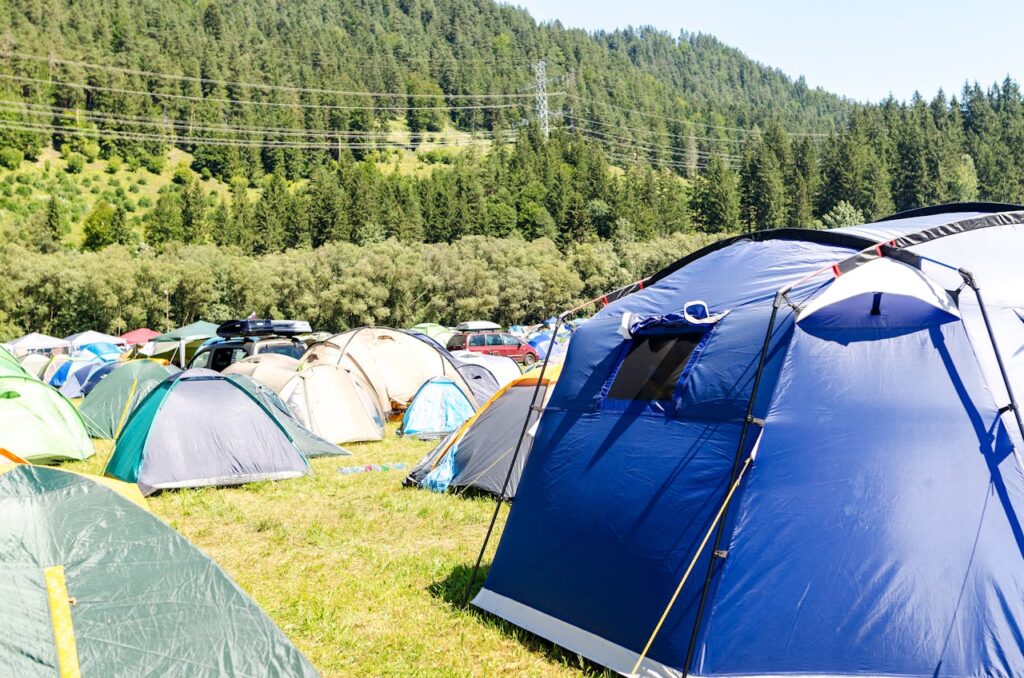
Features of Inflatable Tents
1. Air-Column Structure
The main frame uses an air-column structure instead of traditional metal poles. Once inflated, these columns become rigid and stable, forming a strong skeleton for the tent. Because there’s no metal framework, it’s lighter, folds smaller, and is easier to transport.
The design follows an internationally popular arched pillar shape, which disperses wind effectively and prevents water pooling on the roof—two common issues with flat-top tents.
2. High-Strength Fabric and Fire Resistance
Most inflatable tents are made from double-layer PVC synthetic fiber fabric. This material is waterproof, wind-resistant, and highly durable. It also meets the B1 fireproof rating, meaning it’s safe around moderate heat sources. Some models use polymer-coated materials that add further strength and weather protection.
The surface fabric provides moisture resistance, mosquito protection, heat insulation, infrared blocking, and flame resistance—making the tent suitable for both hot and cold environments.
3. Modular and Spacious Design
Since there are no internal poles, the entire space inside is fully usable. The modular structure allows flexible assembly or expansion according to different site needs, which is especially useful for events or emergency shelters.
4. Practical Accessories
Most tents come with quick inflation and deflation valves, safety valves, and optional electric or foot pumps. I’ve used both, and honestly—if you have access to power, go electric. Your legs will thank you. Standard accessories may also include repair kits, short inflation hoses, and multi-way connectors.
5. Comfort and Durability
Once set up, an inflatable tent provides reliable protection—rainproof, windproof, moisture-proof, cold-resistant, and sunshade-safe. Some models are insulated enough to retain warmth on chilly nights, while still being breathable in humid conditions.
For outdoor professionals or frequent campers, this balance of strength, comfort, and mobility is hard to beat.
Applications of Inflatable Tents
Inflatable tents have moved far beyond casual camping. Their versatility makes them useful in many fields:
- Outdoor Weddings and Events – Inflatable canopies are increasingly popular for weddings, receptions, and celebrations. They create a romantic yet practical atmosphere and can be decorated easily.
- Firefighting and Disaster Relief – During emergencies, firefighters and rescue teams use inflatable tents as quick shelters for displaced residents or as mobile operation bases.
- Medical and Field Hospitals – In remote or temporary settings, these tents can serve as mobile clinics or triage units, providing quick, safe, and weatherproof spaces.
- Recreational Camping – For travelers, inflatable tents offer both comfort and simplicity. They’re easy to set up, airtight against insects and moisture, and lightweight enough for hiking or car camping.
- Military and Construction Use – On-site workers or soldiers often rely on inflatable tents as temporary command centers or supply storage shelters.
Overall, they’re a versatile solution for both everyday recreation and professional applications.
How to Choose a Camping Inflatable Tent
When choosing an inflatable tent, think about your environment and purpose rather than just the price tag.
- Location of Use – Beach, forest, desert, or mountains—each environment requires different material strength, ventilation, and anchoring.
- Number of Users – Most tents fit two people, but custom or extended versions are available. I personally like to go one size up—it’s always nice to have extra space.
- Weight – Heavier tents usually mean better stability but less portability. If you’re hiking long distances, go for the lightest durable model you can find.
Precautions for Using Inflatable Tents
Over time, I’ve learned a few simple habits that make a big difference:
- Lay a ground tarp first when setting up on muddy or sandy terrain. It keeps the tent bottom clean and prolongs fabric life.
- Be cautious when cooking inside. Keep flames away from walls or use fireproof panels. Never leave a stove unattended, and make sure the tent is properly ventilated.
- Take down early in high winds. If wind speeds exceed level 8, dismantle the tent to prevent damage or blow-away incidents.
- Always dry before storage. Damp fabric invites mold, odor, and discoloration. In humid regions, I often unfold the tent once every few weeks just to let it breathe.
- Check valves and seams periodically to maintain airtightness and prevent slow leaks during long storage.
Final Thoughts
It’s fascinating how something so simple can combine engineering precision with real-world practicality. Sure, inflatable tents aren’t perfect—if punctured, you’ll have to patch them—but their ease of use and reliability make them one of the smartest outdoor gear innovations in recent years.
For campers, responders, or anyone needing quick shelter, an inflatable tent offers the perfect mix of convenience, comfort, and modern design—a blend that’s hard not to appreciate.

Hi, I’m Clara Morgan, and I started this site out of a love for spending time outside—whether it’s backyard gatherings, camping trips, or cozy evenings under the stars. Over the years, I’ve learned that the best memories come from simple, meaningful outdoor experiences rather than expensive vacations or complicated plans.
This website was created to share those experiences and help more people enjoy outdoor living with ease and confidence. Whether you’re a parent searching for safe camping gear, a couple planning a weekend getaway, or someone looking to transform your backyard into a cozy retreat, this site is your go-to resource.